

- What Should Beginners Look for in Trading Apps?
- Simple Account Opening and KYC
- Clear Portfolio and Holdings
- Market Prices and Useful Charts
- Different Order Types
- Order and Transaction Tracking
- Charges and Brokerage Information
- How a Broking App Connects Account and Trading Services
- What Investment Products Can Beginners Access?
- How Beginners Can Compare Trading Platforms
- Why Beginners Should Understand the App Before Trading
- Conclusion
Discover the best online trading apps for easy investing, market access, useful features, and tools to help manage your trades.
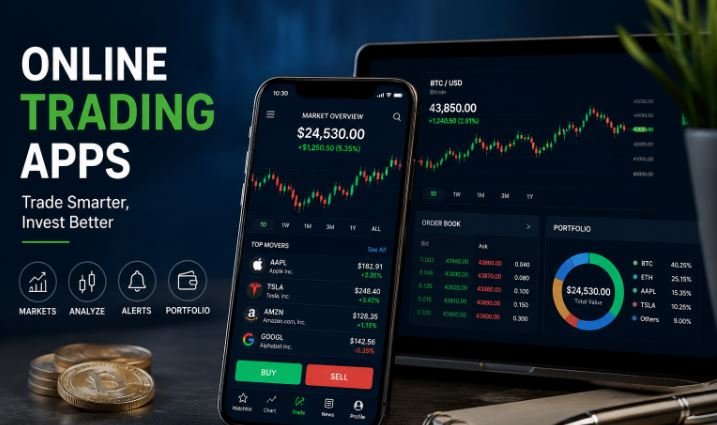
Starting to invest through a mobile platform can feel simpler when the app presents account details, market information, and transaction tools in a clear format. Trading apps now provide access to several market-related services, but beginners need to understand what each feature does before using it. The choice of app also involves checking account requirements, charges, security, and available investment products. This article explains the key features beginners should know before using an online trading platform.
What Should Beginners Look for in Trading Apps?
Useful trading apps should provide the basic information and account features needed to understand and manage market activities. An investment app may also combine investment information, portfolio tracking, and transaction facilities, depending on the services offered by the intermediary. Beginners can review the following areas before choosing a platform.
Simple Account Opening and KYC
The account-opening process should clearly explain the information and documents required from the user. Investors generally need a Demat account with a registered Depository Participant, a trading account with a registered stock broker, and a bank account for transactions in the securities market.
Digital account opening can also involve submitting documents and completing identity verification through permitted online processes.
Clear Portfolio and Holdings
Beginners need an easy way to see what they own and review their account activity. An app can display holdings, quantities, transaction history, portfolio value, and other relevant details.
A well-organised portfolio section helps users understand their investments and follow changes in their holdings from one place.
Market Prices and Useful Charts
Market information is another important feature. Trading platforms may provide price quotes, charts, trading volumes, and other market data.
Beginners can first learn how to read basic price information and charts before exploring more detailed technical tools.
Different Order Types
Trading platforms can provide different ways to place orders. Common order types include:
- Market Order: An order placed at the available market price.
- Limit Order: An order placed at a specified price.
- Stop-Loss Order: An order designed to trigger when a specified price condition is reached.
The availability and conditions of these orders can differ by product and platform. Beginners should understand how an order works before using it.
Order and Transaction Tracking
After placing an order, users need to know whether it has been submitted, executed, or remains pending. An app should make these details easy to find.
Order history and transaction records can also help users maintain a record of their market activity.
Charges and Brokerage Information
Beginners should review the costs associated with using a trading platform. These may include brokerage, transaction charges, taxes, and other applicable fees.
The exact cost structure depends on the intermediary and the market product being used.
How a Broking App Connects Account and Trading Services
A broking app provides a digital interface for services offered by a stockbroker. Depending on the intermediary, it may allow users to access market data, place orders, review portfolios, and manage account-related activities.
For beginners, it is useful to understand that the trading account facilitates transactions, while the Demat account holds eligible securities electronically.
This distinction helps users understand how their transactions and holdings are recorded.
What Investment Products Can Beginners Access?
The products available through a trading platform depend on the intermediary and the user’s account permissions. These may include:
- Shares
- ETFs
- IPOs
- Mutual funds
- Futures and Options
- Other eligible market products
Each product has a different structure and level of risk. Beginners can understand a product’s features, costs, and risks before using the relevant trading service.
How Beginners Can Compare Trading Platforms
Instead of looking at only one feature, beginners can compare platforms across several areas:
| Feature | What to Check |
| Account opening | Digital process and KYC requirements |
| Portfolio | Holdings and transaction visibility |
| Market data | Prices, charts and relevant information |
| Orders | Available order types and order tracking |
| Charges | Brokerage and other applicable costs |
| Security | Login and transaction controls |
| Research | Market information and learning resources |
| Support | Help channels and account assistance |
Why Beginners Should Understand the App Before Trading
An app can provide access to market activities, but using its features requires an understanding of the products and transactions involved. Beginners can first explore the interface, read the available information, and understand order types and charges.
For instance, an intraday trading app may provide features for monitoring short-term positions and managing eligible orders during market hours. These facilities differ from features intended for longer-term investing.
Taking time to understand the platform can help users use its features with greater awareness.
Conclusion
Trading apps provide beginners with digital access to market information, account services, portfolio tracking, and transaction tools. Features such as simple onboarding, clear holdings, market data, order tracking, transparent charges, security controls, and learning resources are worth reviewing before choosing a platform. Platforms like 5paisa provide digital market-related services through their app, giving users access to relevant account and trading facilities. Beginners can compare these features with their own requirements before selecting a platform.
