
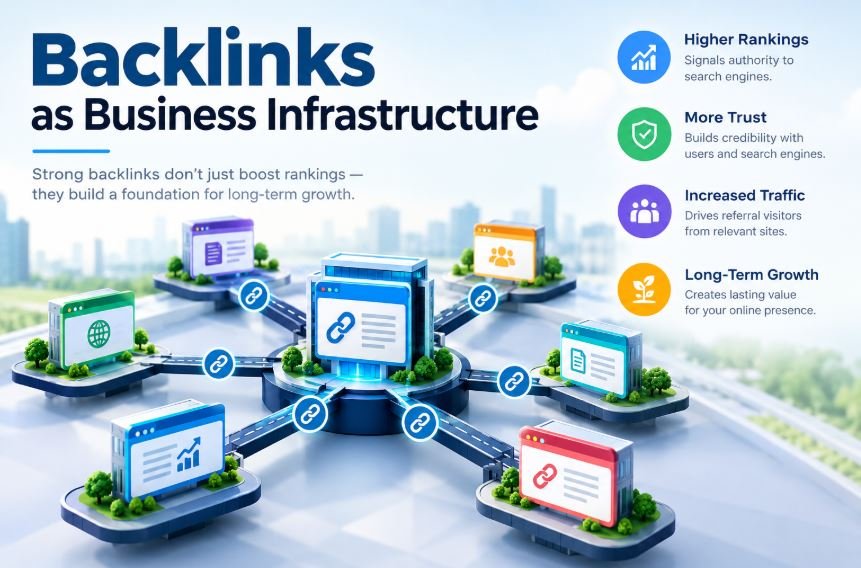

A company can publish useful articles, build a polished website, and still struggle to appear in search results. One reason may be that search engines have little evidence that other sites consider its information worth citing. Backlinks—links from other websites to yours—can help provide that context. But a strong link profile is not simply a large collection of links; it reflects relevance, credibility, and the value your business offers its audience.
For small businesses and growing teams, the challenge is to build links without turning the process into a numbers game. A useful campaign starts with clear goals, a realistic understanding of link quality, and a repeatable way to create material that other people have a reason to reference.
What Backlinks Can Contribute
A backlink can send visitors directly to a useful page, introduce a brand to a new audience, and help search engines discover how a page fits into a wider topic. A mention from a respected publication in your field may carry more practical value than dozens of links from unrelated sites. It can bring relevant readers as well as contribute to your site’s authority.
That distinction matters. A link should make sense in the context where it appears. If a software company receives a link from a technology publication discussing its product category, the connection is clear. A link from an unrelated directory with no editorial standards is less likely to help readers—and may offer little lasting benefit.
Before setting targets, review this backlink-building guide for an overview of common approaches, quality considerations, and mistakes to avoid. The key is to choose methods that fit your audience and resources rather than trying every tactic at once.
Choose Methods That Match Your Business
Guest posting involves contributing a relevant article to another publication. Done well, it lets a business share genuine expertise with readers who may not know the brand yet. The best opportunities are publications with an engaged audience and editorial expectations—not sites that accept any submission in exchange for a link. Focus on the usefulness of the article first, and treat the link as a natural path for interested readers.
Digital PR takes a different route. A business can offer journalists original research, expert commentary, a timely analysis, or a useful data set. This requires a compelling story and outreach that respects a reporter’s time. A generic announcement is easy to ignore; a clear finding that helps explain a wider trend is more likely to earn coverage.
Niche edits, sometimes called contextual link placements, involve adding a link to an existing article. Relevance and editorial judgment are essential. A placement should genuinely improve the article for its readers, and the site owner should have control over the content. Be cautious of arrangements that promise a particular ranking outcome or rely on irrelevant pages.
Brand mention reclamation can be a straightforward starting point. If a publisher has named your company, product, or research without linking to your site, a courteous note may be enough to prompt a link. First confirm that the mention is accurate and that a link would help readers find the source. The request should be brief and low-pressure.
Assess Quality Beyond a Single Metric
Third-party scores can help organize research, but no single metric tells you whether a backlink is worthwhile. Look at the site’s subject matter, its editorial standards, the quality of its articles, and whether real readers appear to engage with its work. Consider the specific page too: a relevant article with a natural link is different from a site-wide footer link or a page crowded with unrelated commercial placements.
Also check how the link will be presented. The surrounding text should explain why the destination is useful, and the anchor text should read naturally. Repeating the same keyword-heavy phrase across many links can look artificial and makes the text less helpful. A varied profile of descriptive brand names, page titles, and natural wording is generally more credible.
Build a Campaign You Can Maintain
A focused plan is easier to manage than a long list of disconnected link prospects. Start by selecting a page that deserves attention, such as a detailed guide, original study, or service page supported by helpful information. Then identify the audiences and publications that would genuinely benefit from it. Keep a simple record of prospects, outreach, responses, and outcomes so that your team can learn which messages and assets work.
Content creation and outreach take different skills. A small business may need a writer to prepare a guest article, a designer to create a data visualization, or a researcher to organize findings. Freelance marketplaces can help teams find support across those tasks. For example, Osdire connects buyers with freelancers in categories including writing, design, programming, and marketing. Its flat pricing and held-payment process can be relevant when a team wants to scope a project, agree on delivery, and approve the completed work before payment is released.
Regardless of who does the work, set expectations in writing. Define the audience, deliverables, timeline, revision process, and any publication requirements. Avoid paying for guaranteed rankings or a predetermined number of links from sites whose relevance and quality have not been assessed. A freelancer can help produce and coordinate a campaign, but sound editorial judgment still belongs at its center.
Measure More Than Link Counts
Track whether your campaign is reaching the right people. Useful measures can include relevant referring domains, referral visits, engagement on the destination page, brand mentions, and changes in qualified leads over time. Search visibility may take time to shift, and results can be influenced by many factors beyond backlinks, so avoid attributing every change to one placement.
Review the links you earn periodically. If a page changes, a link breaks, or a placement no longer fits the surrounding content, decide whether to contact the publisher or update your own resources. The broader aim is to become a source others naturally want to cite—not merely to accumulate links.
Make Relevance the Standard
Backlink building works best when it grows out of useful business activity: publishing expertise, sharing credible data, helping journalists, and maintaining relationships with relevant publishers. Choose methods your team can carry out consistently, judge opportunities by their value to readers, and treat rankings as one outcome among several. That approach may be slower than chasing volume, but it builds a more durable foundation for discovery and trust.
